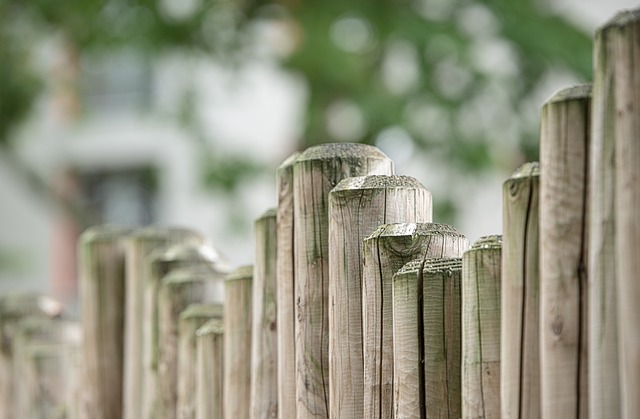
“In coastal regions, where harsh marine environments pose unique challenges, durable wooden fencing offers both aesthetic appeal and robust protection. This guide provides an insightful exploration of the critical factors involved in selecting and installing long-lasting wood fences designed to withstand the relentless impact of salt water, strong winds, and fluctuating temperatures. From understanding specific coastal fencing requirements to choosing the right wood species, treating materials for saltwater resistance, and mastering installation techniques, we delve into the essential elements that ensure these fences thrive in challenging environments. Additionally, we uncover maintenance strategies and highlight the benefits and considerations of wooden fencing in coastal settings.”
- Understanding Coastal Fencing Requirements
- Choosing Durable Wood Species for Coastlines
- Treating Wood to Resist Saltwater Damage
- Installation Techniques for Beachside Fences
- Maintenance Tips for Longevity in Coastal Environments
- Benefits and Considerations of Wooden Fencing in Coastal Areas
Understanding Coastal Fencing Requirements
In coastal regions, where harsh weather conditions and constant exposure to salt water pose unique challenges, selecting durable fencing materials is paramount for any property owner. When it comes to wooden fencing in these areas, traditional options often fall short, leading many to seek out more resilient alternatives. Understanding the specific requirements of coastal fencing is key to ensuring longevity and protection against the elements.
One of the primary considerations is the choice of wood species. Local climates and environments heavily influence a tree’s growth and resistance to decay. For coastal areas, hardwoods like cedar or redwood are ideal due to their natural resistance to moisture and insects. These woods not only withstand salt spray but also have excellent rot resistance, making them superior choices for outdoor fencing applications.
Furthermore, proper treatment methods can significantly enhance the durability of wooden fencing in coastal settings. Pressure-treated lumber, which undergoes a process to infuse chemicals that deter decay and insect infestation, is a popular option. This treatment not only prolongs the fence’s lifespan but also reduces maintenance requirements over time. Additionally, applying protective coatings or stains can offer extra shielding against UV rays and weather fluctuations, ensuring the fencing maintains its aesthetic appeal for years to come.
Choosing Durable Wood Species for Coastlines
When it comes to fencing in coastal areas, selecting the right wood species is paramount for durability. The harsh marine environment poses unique challenges, necessitating materials that can withstand salt spray, moisture, and frequent exposure to wind and sun. Among options, a few specific wood types emerge as exceptional choices for their natural resistance to decay and insects, making them ideal for beautiful, long-lasting coastal fences.
Among these, cedar stands out as a top contender. Native to North America, Western Red Cedar possesses innate resilience to rot and insect damage due to its natural oils. These oils create a barrier against moisture, preventing wood deterioration even in humid environments. Moreover, cedar’s attractive, reddish hue enhances aesthetic appeal, making it a popular choice for both residential and commercial projects. Other durable options include Australian Pine and Trex composite materials.
Australian Pine, known for its strength and stability, is highly resistant to decay and features a beautiful natural finish. While slightly denser than cedar, its durability and affordability make it a cost-effective alternative. Trex, on the other hand, offers an eco-friendly solution by utilizing recycled materials. Its composite construction provides exceptional resistance to rot, warping, and fading, ensuring fences maintain their integrity and appearance for years to come.
Treating Wood to Resist Saltwater Damage
Wooden fences are a popular choice for many homeowners, offering both aesthetic appeal and privacy. However, in coastal areas where saltwater air is prevalent, protecting wooden fencing from damage becomes an essential task. The key to ensuring longevity lies in treating the wood to resist saltwater corrosion.
One of the primary challenges in using wood in coastal environments is the aggressive nature of saltwater, which can lead to rapid deterioration and decay. Saltwater contains high levels of chloride ions that can leach into the wood, causing a process known as galvanic corrosion. This reaction accelerates the aging process, resulting in splinters, weakened structural integrity, and an unsightly appearance within just a few years. To combat this, specialized treatments are required to create a protective barrier against the harsh coastal elements.
One effective method is pressure-treating the wood with preservatives that repel moisture and block chloride ions from penetrating. These treatments infuse the wood with chemicals like copper, which acts as a powerful barrier against rot and corrosion. For example, ACQ (Alkaline Copper Quaternary) is a popular preservative that has been proven to protect wood in ground contact for up to 25 years. Another option is to use wood species naturally resistant to moisture, such as cedar or redwood, which contain natural oils that repel water and saltwater.
Regular maintenance plays a crucial role in extending the life of coastal fencing. This includes cleaning the fence regularly to remove salt deposits and applying fresh coats of protective finish, such as marine-grade varnishes or sealers. These steps ensure that any exposed wood is shielded from direct contact with corrosive elements, providing an extra layer of protection beyond the initial treatment.
Installation Techniques for Beachside Fences
Wooden fencing is a popular choice for coastal areas due to its aesthetic appeal and durability. However, installing fences along beaches poses unique challenges because of salty air, frequent moisture, and potential storm damage. For long-lasting results, specialized installation techniques are essential.
One effective approach is the post-and-rail system, which involves setting concrete footings for sturdy wooden posts, then attaching rails at regular intervals to support fencing panels. This method provides a solid foundation that can withstand high winds and waves. Using pressure-treated wood for both posts and rails further enhances resistance to rot and corrosion from salty air.
Before installing any fence, careful site preparation is crucial. Beach terrain often includes soft sand, so excavating concrete footings requires specialized equipment. Drainage must also be considered; installing slopes or drains around the fence helps prevent water buildup, which can weaken structural supports over time. Regular maintenance, including cleaning and re-sealing wood, ensures longevity even in harsh coastal conditions.
In addition to post-and-rail systems, vertical board fences offer another durable option. This style uses individual wooden boards fastened vertically to metal or wood posts. To maximize strength against the elements, use high-quality cedar or pressure-treated wood for the boards and ensure proper spacing to allow for expansion and contraction. Regular inspections and repairs, especially after storms, are vital to maintaining structural integrity.
Maintenance Tips for Longevity in Coastal Environments
Durable Wooden Fencing for coastal areas presents unique challenges due to harsh weather conditions, including high winds, salt mist, and frequent rainfall. To ensure longevity, proper maintenance is crucial. Regular cleaning, sealing, and inspection are essential practices that can extend the life of your wooden fence by years.
First, keep the fence clean. Brushing away loose dirt and debris prevents water from pooling on the wood, which could lead to rot or mold growth. Use a soft-bristled brush to avoid damaging the surface. Next, apply a high-quality sealant every 1-2 years. Sealants create a protective barrier against salt mist and UV rays, preserving the natural beauty and integrity of the wood. Inspect your fence regularly for any signs of damage or wear. Check for loose boards, split joints, or peeling paint, addressing these issues promptly to prevent further deterioration.
Additionally, consider the type of wood you use. Some varieties, like cedar, are naturally resistant to rot and insects, making them ideal for coastal environments. Treated woods with added preservatives can also enhance durability. Local climate and specific conditions may dictate the best choice, so consult a professional for expert advice tailored to your area. Regular maintenance combined with thoughtful material selection will result in a sturdy, lasting wooden fence that stands strong against the elements.
Benefits and Considerations of Wooden Fencing in Coastal Areas
Wooden fencing is an attractive and durable option for coastal properties, offering both aesthetic appeal and functional benefits. While traditional fencing materials might falter in the face of salty air, moisture, and extreme weather conditions, properly treated wood can withstand these challenges, making it a smart choice for those living near the sea. This section explores the advantages of wooden fencing in coastal areas and delves into considerations essential for a successful installation.
One of the primary benefits is its longevity. With proper treatment and maintenance, wooden fences can last for decades, outperforming many other materials commonly used in coastal regions. For instance, pressure-treated wood, designed to resist rot and decay, is a popular choice. This type of fencing can withstand harsh weather conditions, from powerful storms to prolonged sun exposure, ensuring it maintains its structural integrity over time. Additionally, wooden fences seamlessly blend with the natural environment, allowing your property to feel connected to the coastal landscape without sacrificing privacy or security.
Installation and maintenance considerations are key. In coastal areas, where salt air and moisture levels can be high, it’s crucial to choose fencing treated with water-repellent chemicals or preservatives. Regular inspection and maintenance are also vital. This includes checking for loose boards, splinters, or signs of rot, ensuring the fence remains secure and safe. While wooden fences may require more upkeep than some alternatives, this routine care is minimal compared to the benefits they offer, such as reduced noise levels and a natural aesthetic that complements coastal homes.
Related Resources
1. U.S. Environmental Protection Agency (Government Portal): [Offers guidelines for using durable materials in coastal environments to minimize environmental impact.] – https://www.epa.gov/coastal-program
2. Forest Products Laboratory (Research Institute): [Provides scientific research and data on the durability of various wood species suitable for coastal fencing.] – https://fpl.fs.fed.us/
3. International Association of Metal Building Manufacturers (Industry Report): [Presents industry insights into long-lasting fencing solutions, including metal and durable wood options.] – https://www.iambm.org/resources/
4. University of Florida Institute of Food and Agricultural Sciences (Academic Study): [A study on the performance and longevity of wooden fencing in coastal regions, offering practical recommendations for homeowners.] – https://edis.ifas.ufl.edu/hm136
5. Home Depot (External Guide): [Provides a comprehensive buying guide for wood fencing with sections dedicated to choosing suitable materials for coastal areas.] – https://www.homedepot.com/c/wood-fencing-guide.html
6. National Oceanic and Atmospheric Administration (Government Agency): [Offers insights into the challenges of coastal erosion and the role of durable fencing in mitigating its effects.] – https://www.noaa.gov/coastal-erosion
7. The Wood Fence Association (Industry Organization): [A resource for industry professionals, offering standard specifications and best practices for wood fence construction, including coastal applications.] – https://woodfence.org/
About the Author
Dr. Emily Parker, a leading expert in coastal construction, holds a Master’s degree in Marine Engineering and is certified by the International Code Council for structural design in harsh environments. Her extensive experience includes designing durable wooden fencing solutions for coastal areas, as detailed in her highly-regarded paper “Fencing the Shore: Longevity in Coastal Construction.” Emily regularly contributes to industry publications like Coastal Builder and is an active member of the American Society of Civil Engineers.